2026-11-11
Lateral Philtrum Reduction Scars: Why Lip Movement Matters as Much as Incision Placement
Lateral philtrum reduction scars depend on more than the incision line. Lip movement when smiling and talking, skin tension, and aftercare all shape the final result.
Lateral Philtrum Reduction Scars: Why Lip Movement Matters as Much as Incision Placement
When researching lateral philtrum reduction, the appearance and extent of the scar are a concern almost as important as the surgical method itself.
This is because the lips sit at the center of the face and are constantly moving whenever we talk or smile.
You may first wonder where the scar will be, but checking the incision line alone is not enough.
You also need to look at which areas are adjusted and by how much, which direction the lips move when smiling, and what stress the skin may face during recovery.

Photo 01 | Relationship between the lips and philtrum at a neutral expression
Lateral and central philtrum reduction have different incision sites |
A central philtrum that looks long and outer lip areas that look long because they roll inward are not the same concern.
The former mainly looks at the relationship between the area under the nose and the center of the upper lip, while the latter examines in more detail the length and slope of the outer upper lip and the line that connects to the corners of the mouth.
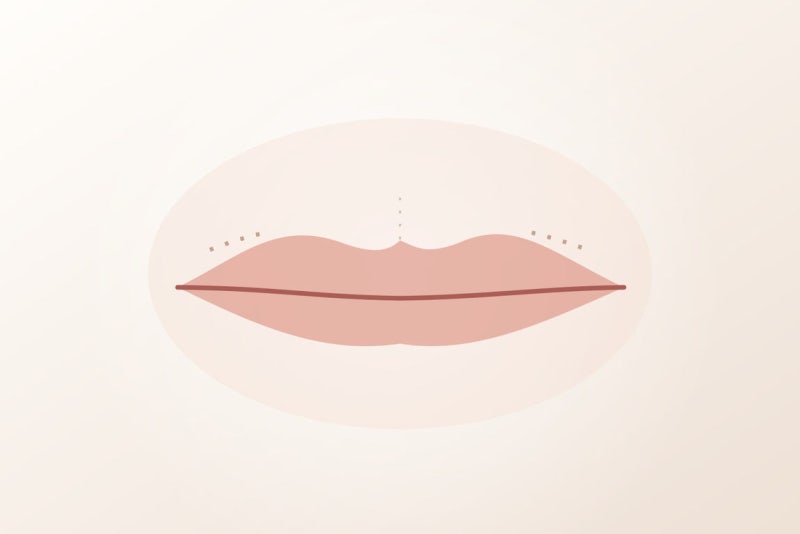
Photo 02 | Conceptual diagram for understanding the position of the outer upper lip line
Lateral lip lift, also referred to as lateral philtrum reduction, is a procedure that adjusts the skin and lip line on the outer sides of the upper lip.
As a result, the scar location also differs from central philtrum reduction, which uses an incision under the nose.
The specific incision range may vary depending on lip shape and the surgical plan.

Photo 03 | Upper lip line viewed from the side
If the incision line looks neat right after surgery, are scar concerns over? |
Not necessarily. When skin is incised and closed, scar tissue forms as part of normal healing.
However, how noticeable a scar becomes depends on skin characteristics, the condition of the incision and closure, tension across the wound, whether inflammation occurs, and post-operative care.
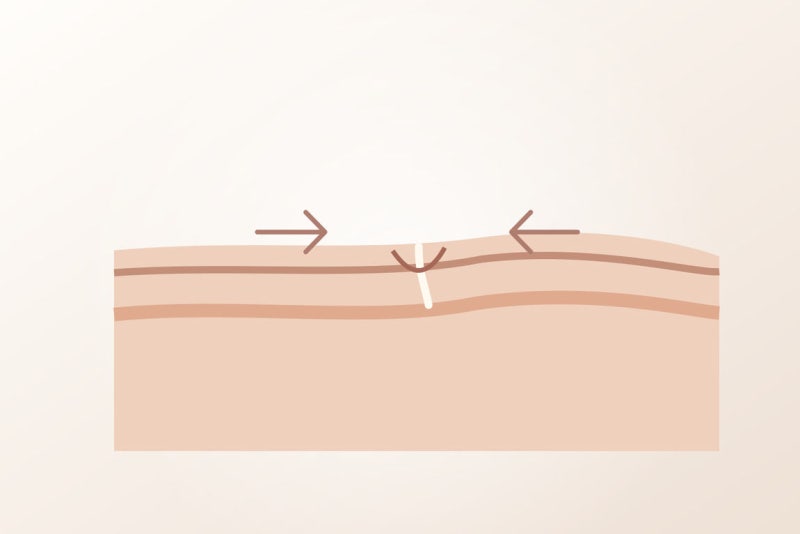
Photo 04 | Simplified illustration of tension acting on the skin and suture site
The lip area has thin and thick skin side by side, and the surrounding tissues move together when we make facial expressions.
This is why, even when a scar is placed close to the lip border, the possibility of pulling and widening caused by movement must still be considered.
You need to check both at rest and when smiling |
In front of a mirror, with the lips gently closed, the balance may look fine, but when you smile, one side of the lip may be pulled up further or the corner of the mouth may appear lower.
Conversely, even if the lateral philtrum looks long at rest, a natural curve can form when smiling.

Photo 05 | How the shape of the lips and mouth corners changes when smiling
If the length alone is reduced without checking these differences, the lip may lift more than expected or facial expressions may look unnatural.
Designing to minimize the scar and designing to preserve the natural movement of the mouth are not separate issues; they need to be considered together.
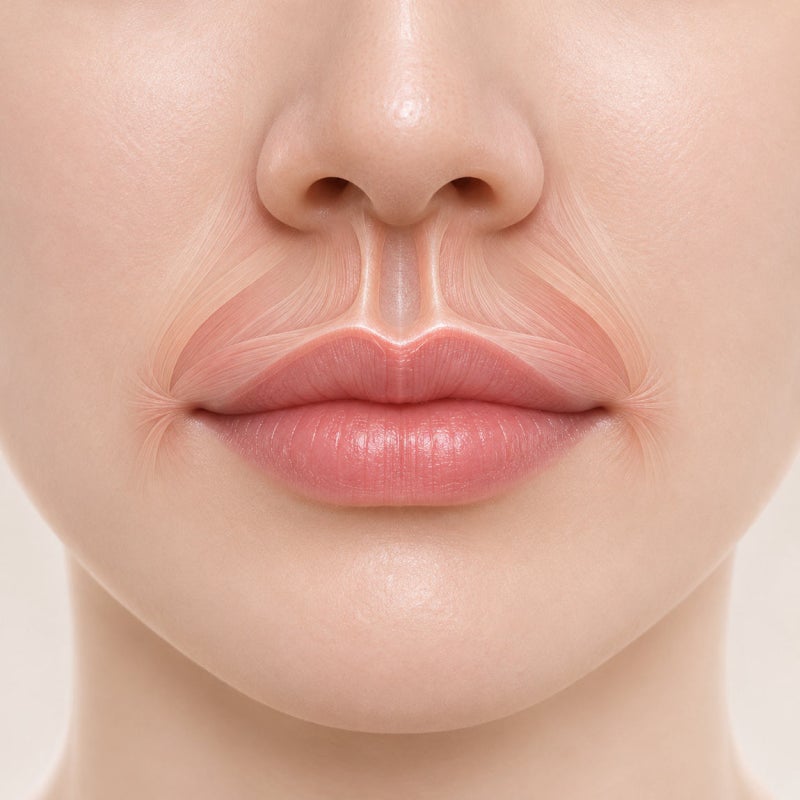
Photo 06 | Conceptual image showing movement around the mouth
Rather than reducing as much as possible, decide how far to go |
Simply because the lateral philtrum looks long, removing a large amount of tissue is not necessarily the right approach.
The thickness of the central upper lip, the slope of both outer sides, the direction of the mouth corners, and how much teeth show should all be assessed together.
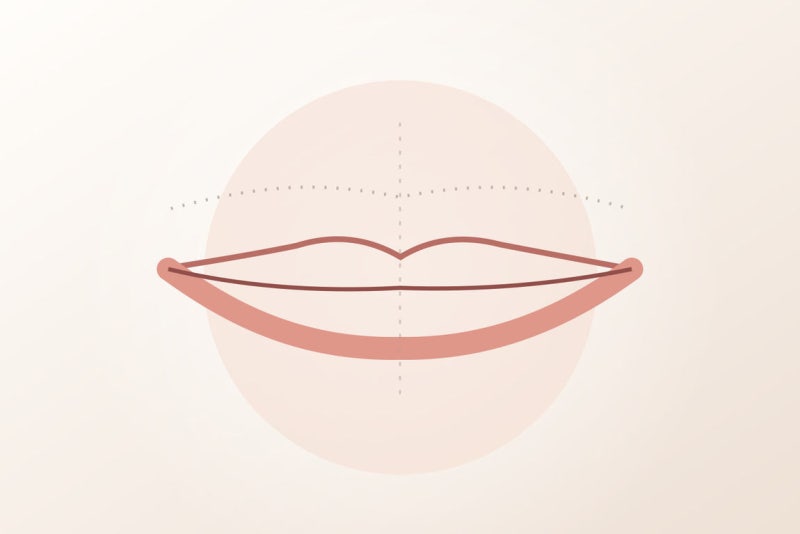
Photo 07 | Conceptual diagram for checking the balance between the center and both outer sides of the lip
In particular, adjusting the tissue in a way that pulls it too tightly can place unnecessary strain not only on the lip line but also on the suture site.
It is important to change the shape only within the necessary range and to check that balance is maintained even when the lips move.
A scar does not finish forming in a few days |
Right after surgery, swelling and redness may appear.
Even after the wound heals, it may feel red or firm for some time, and its color and texture change gradually over time.
Typical surgical scars can take 12 to 18 months or longer to mature.
However, this timeline does not apply equally to everyone.
This is why it is difficult to judge the final state of a scar from how it looks immediately after surgery.
What should you take care of after surgery? |
Until the wound has fully healed, follow the care instructions you were given,
and avoid switching ointments on your own or rubbing the incision site hard.
When to remove stitches, wash your face, and resume makeup should also be guided by your actual recovery progress.
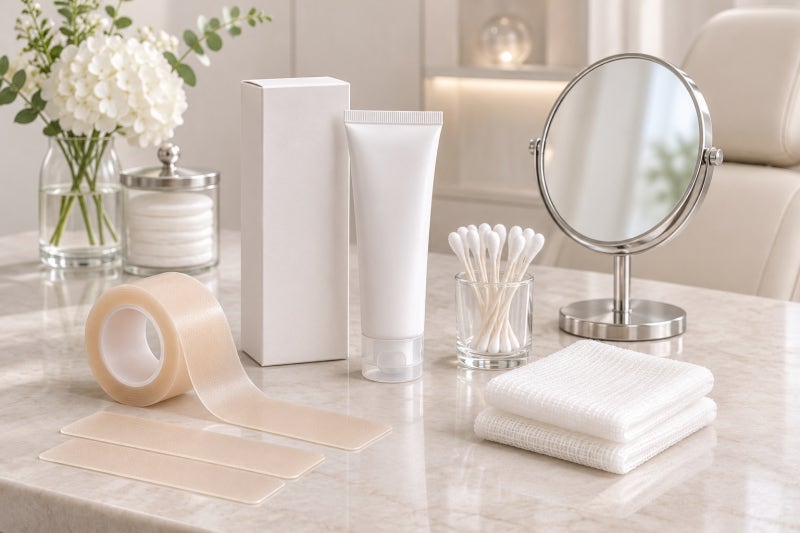
Photo 09 | Image showing scar care products
After the wound has closed, scar management options such as silicone gel or silicone sheets may be considered, based on the judgment of your medical team.
Because UV exposure can cause color changes, consistent sun protection after the wound has recovered is helpful.
In addition, it is advisable to visit the clinic periodically on the scheduled dates for early post-operative scar management.
If redness gradually worsens, or if you develop heat, pus, wound separation, or worsening pain,
do not dismiss it as a simple scar change. Contact the medical institution where you had the surgery.
Frequently Asked Questions |
Q. Will there be no visible scar after lateral philtrum reduction?
A. If the procedure requires an incision, we cannot say there is no possibility of a scar forming.
How noticeable the scar is depends on skin condition and the healing process.
Q. Will a scar get worse if I smile or talk?
A. Everyday lip movements alone do not necessarily make a scar worse.
However, during the early recovery period, be careful not to put excessive strain on the surgical area, and follow your medical team's guidance on your range of activity.
Q. When should I start applying scar ointment?
A. It depends on the product and the condition of the wound.
In particular, silicone products are generally used after the wound has fully closed,
so the starting point should be discussed with your treating medical team. On average, however, use is recommended beginning 7 to 10 days after suture removal.
Ultimately, what matters in lateral philtrum reduction is not just a single incision line designed to hide the scar.
You also need to check the shape of your lips, the direction they move, and which areas need adjustment to achieve a natural result.
If you are considering surgery, rather than relying only on length measurements,
review the balance of your lips at rest and when smiling, the incision placement, and your scar care plan together.
#GoldenDiamantPlasticSurgery #LateralPhiltrumReduction #LateralPhiltrumReductionScar #LateralLipLift #PhiltrumReductionScar #LipContourSurgery #PhiltrumReductionRecovery #ScarCare #LipLine #CheongdamPlasticSurgery