2026-06-20
Why do downturned mouth corners make you look sullen? | Goldendiamant
Downturned mouth corners can make you look tired, stern, or even angry. This article explains why, often involving more than just the corners themselves, and explores both surgical and non-surgical solutions for a softer, more inviting expression.
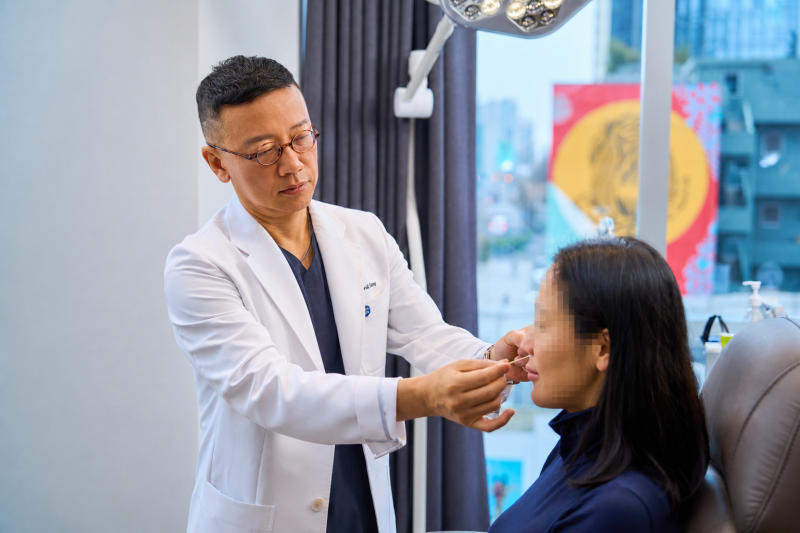
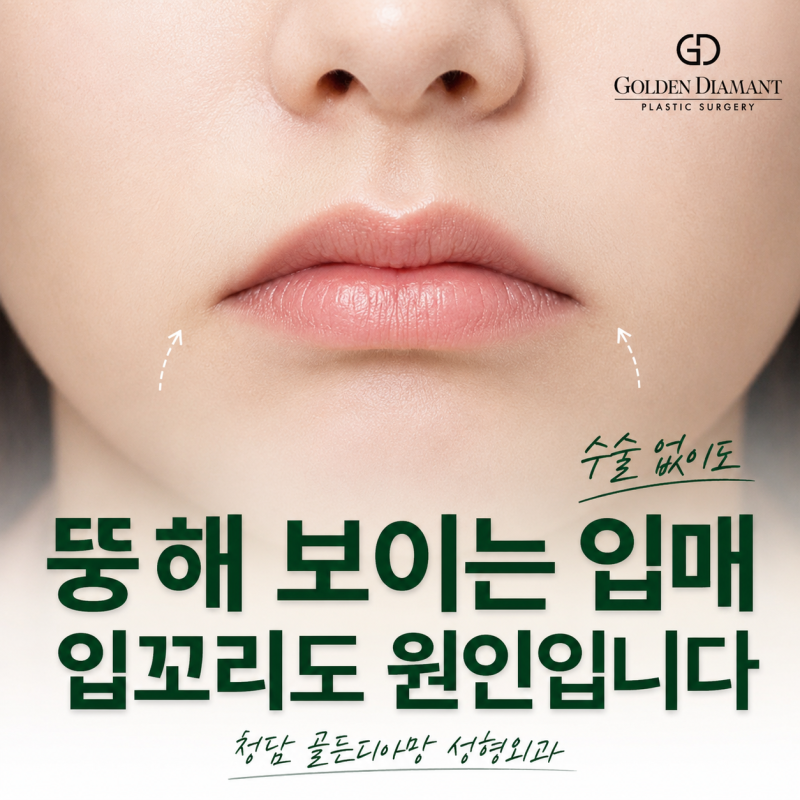
Hello.
I am Song Sang-hoon, the head director of Goldendiamant Plastic Surgery,
located on the 3rd floor of Cheongdam Square.
A person's impression is not solely determined by their eyes, nose, or face shape. The mouth area has a surprisingly significant impact.
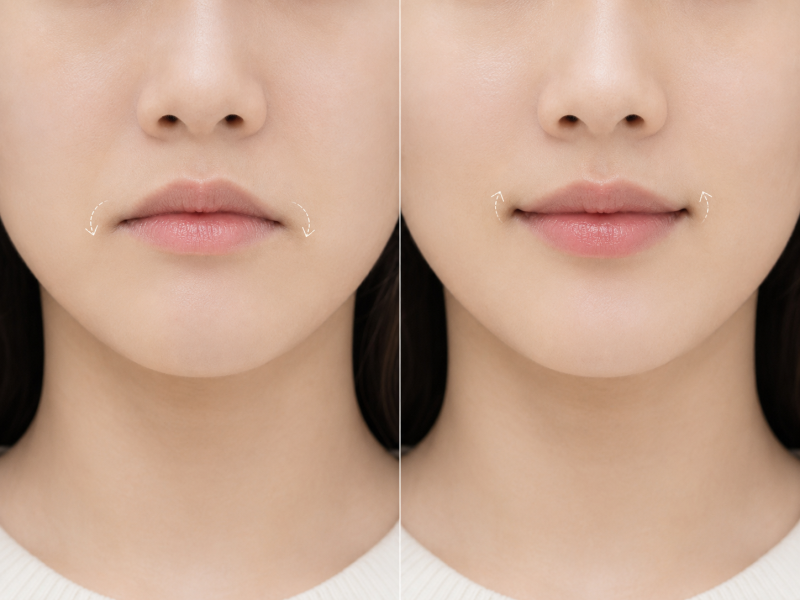
In particular, the corners of the mouth influence the overall impression even when you are not making any expression.
Slightly upturned mouth corners give a soft and bright impression,
but downturned mouth corners can make you look tired or stern,
and sometimes even angry.
‘I'm told I look unhappy when I'm just still.’
‘They say I look intimidating if I'm not smiling.’
‘My mouth area looks saggy as I get older.’
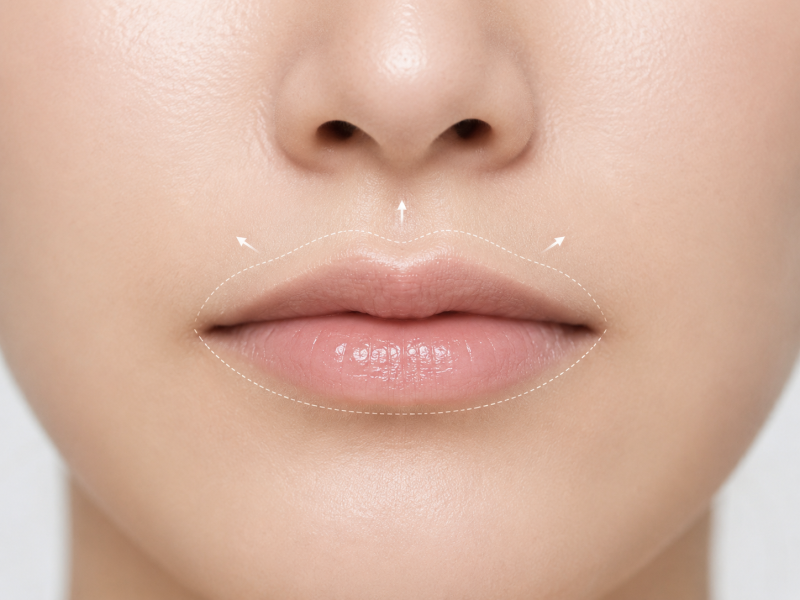
In such cases, it's often not just a problem with the mouth corners alone,
but rather a combination of lip volume, perioral wrinkles, chin muscle tension, and lower facial sagging.
Why mouth corners appear more downturned with age
As we age, lips tend to thin
and may feel as if they are rolling inward.
Reduced lip volume can make the mouth area appear less defined,
and relatively, the mouth corners may also appear more downturned.
Additionally, as the skin and fat around the mouth sag, marionette lines or
lines that resemble jowls can form.
Since these lines extend below the corners of the mouth,
they can make the mouth corners appear more downturned than they actually are.
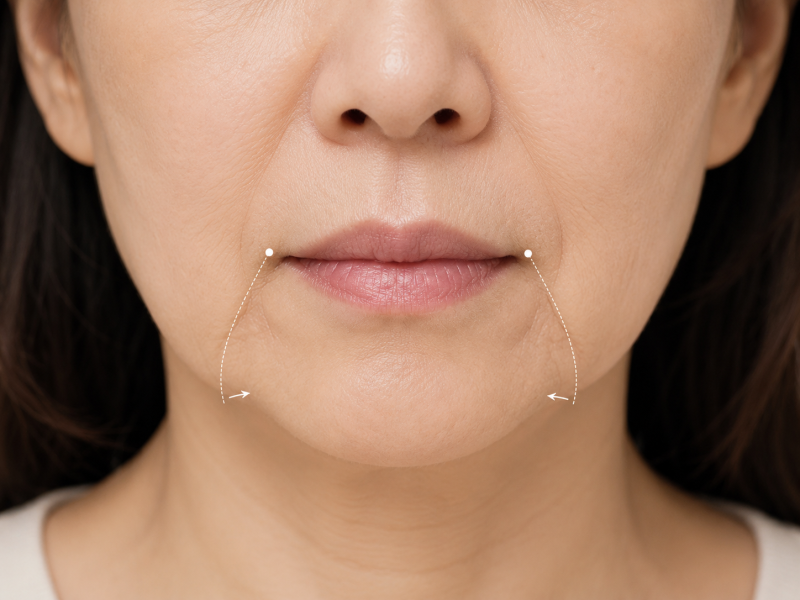
The chin muscle is also an important factor.
People who exert a lot of force on their chin when closing their mouth can develop bumpy wrinkles, like a cobblestone chin,
and the lower lip may roll upward, making the entire mouth area look constricted.
In other words, downturned mouth corners should not be viewed solely as a ‘mouth corner position’ issue, but rather in conjunction with lip thickness, perioral wrinkles, chin muscle strength, and lower facial sagging.
If surgery is a burden, mouth corner procedures can also be considered.
If the mouth corners are significantly downturned or there are major structural changes, mouth corner surgery may be necessary.
However, if the sagging is not severe, or if the burden of surgery and scars is significant,
mouth corner procedures using fillers and Botox can be considered first.
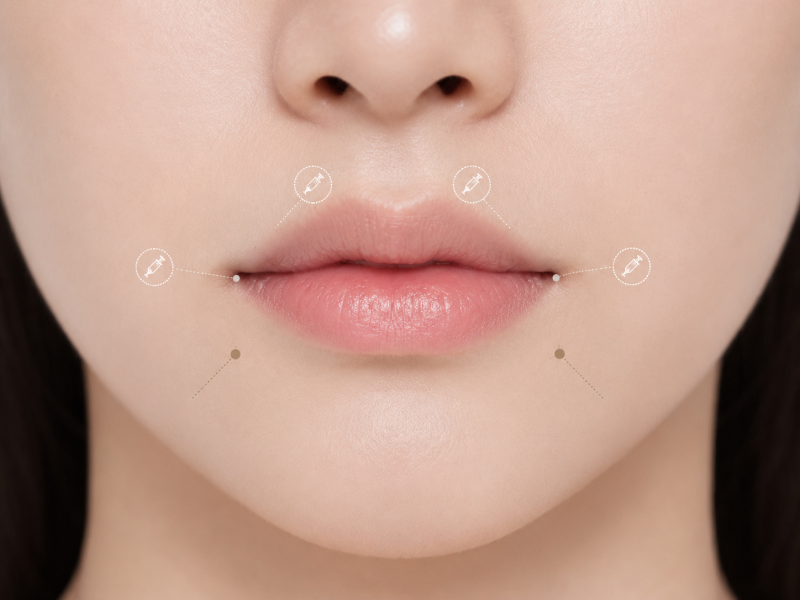
Mouth corner procedures typically involve using fillers to supplement the insufficient volume at the ends of the lips,
and using Botox to adjust the strength of the muscles that pull the mouth corners downward.
If there is insufficient lip volume, the lips may appear thin and rolled inward,
which can also make the mouth corners appear downturned.
By naturally supplementing the volume around the lips and mouth corners, the mouth area can appear softer and more vibrant.
Conversely, if the muscles that pull the mouth corners downward are strong,
Botox can help relax muscle movement, making the mouth corners appear less downturned.
There are cases where fillers and Botox are sufficient, and cases where they are not.
Mouth corner procedures have the advantage of being relatively simple to approach,
but the same effect cannot be expected in all cases.
For example, if the downturning of the mouth corners is mild,
and insufficient lip volume or muscle movement is the main cause,
fillers and Botox alone can make the impression appear much softer.
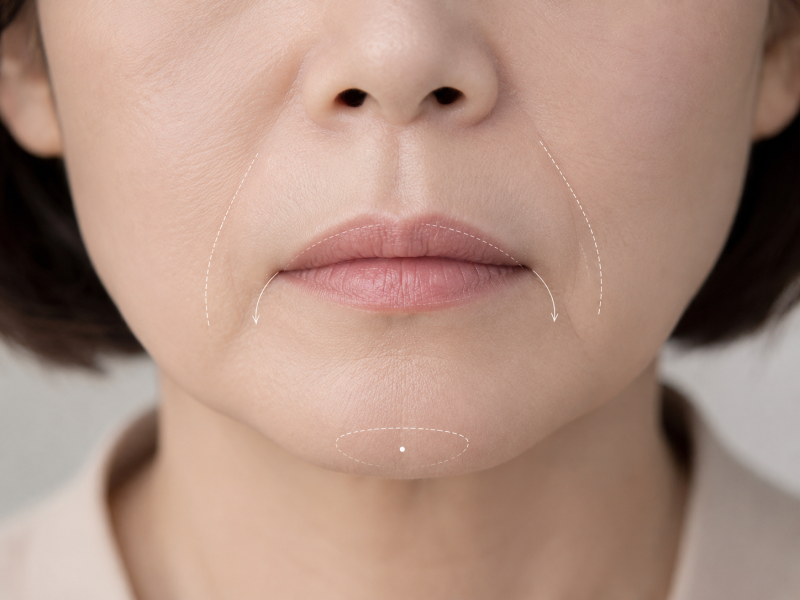
However, if there is severe sagging of the perioral skin,
deep marionette lines, and accompanying lower facial fat sagging, mouth corner procedures alone may have limitations.
In such cases, a more natural improvement can be expected by considering other methods such as lifting, lasers, fat-dissolving injections, or mouth corner surgery.
Therefore, what's important is not ‘which procedure is famous’ but rather first analyzing ‘why my mouth area appears downturned.’
Natural balance is more important than overly lifting the mouth corners.
When consulting for mouth corners, the most cautious aspect is overcorrection.
While excessively lifting the mouth corners might seem to make you look brighter,
if it doesn't harmonize with the rest of the face, it can look like an awkward smile.
A natural mouth shape is created by considering lip thickness, mouth corner direction, tooth exposure, chin tension, and nasolabial/marionette lines together.
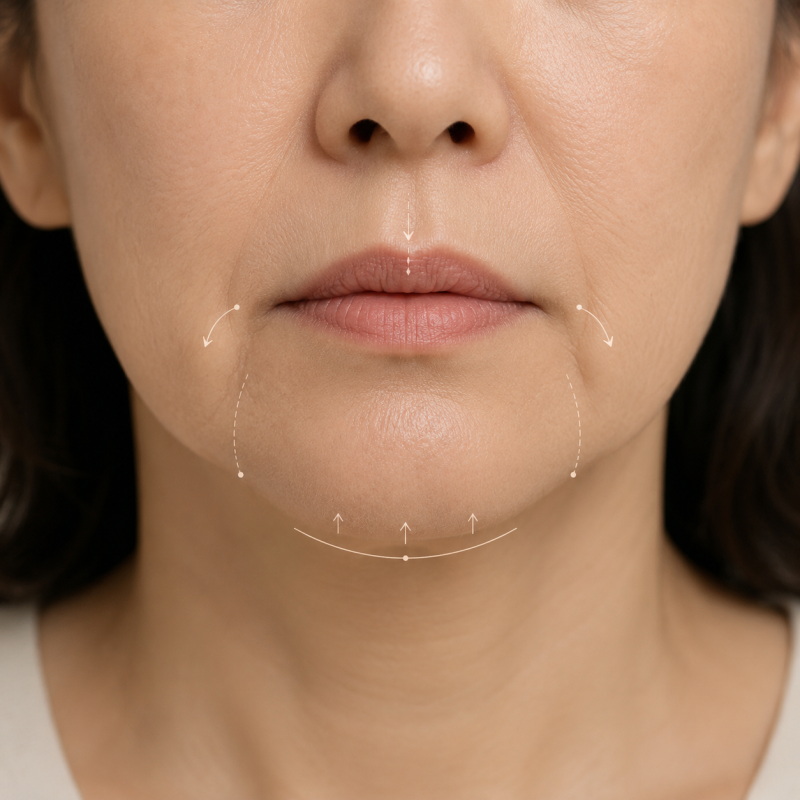
Especially for mouth area improvement after middle age, rather than simply lifting the mouth corners,
an approach that balances the overall appearance by supplementing thinned lips, alleviating perioral wrinkles,
and reducing chin muscle tension is necessary.
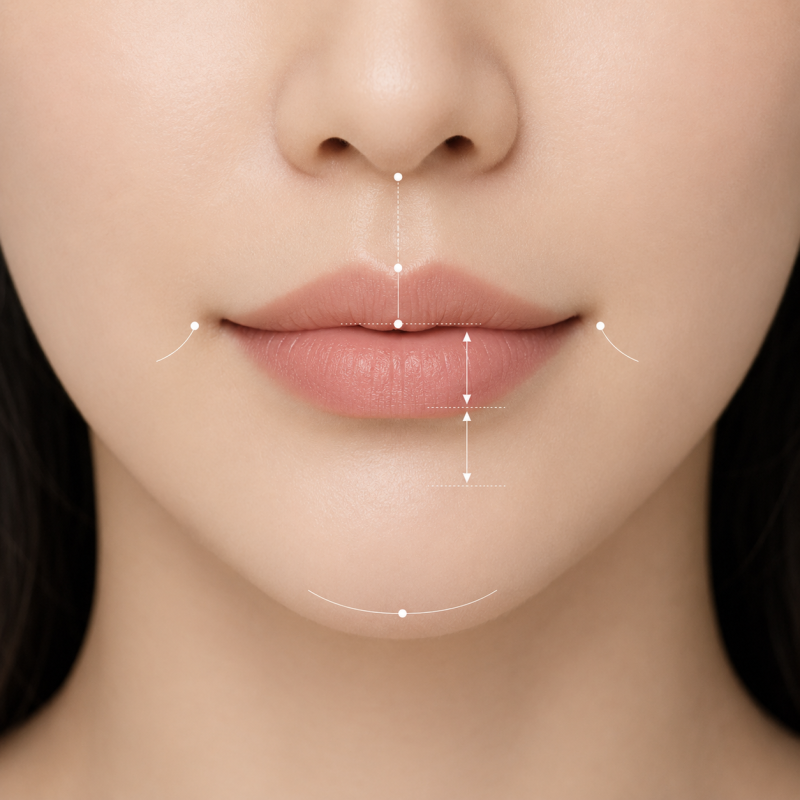
When the mouth area softens, the impression changes.
The angry, tired, or stern feelings diminish,
and you can appear more relaxed and likable.
Goldendiamant doesn't just look at the mouth corners.
At Goldendiamant Plastic Surgery, when assessing downturned mouth corners, we don't just look at the height of the corners.
We comprehensively check the degree of lip thinning, the strength of the muscles that pull the mouth corners down, marionette lines, chin muscle strength, and lower facial sagging. Then, we advise whether a procedure is suitable, if surgery is needed, or if combining other treatments would be beneficial.
There are cases where light improvement is possible without surgery, and conversely, cases where procedures alone have limitations and other methods are more appropriate.

What's important is not to change excessively,
but to naturally refine it to suit your face.
If your mouth looks sullen even when you're still,
or if you often hear that you look angry when you're not smiling, it's advisable to check the causes around your mouth corners and mouth area together.
Thank you.
#GoldendiamantPlasticSurgery #DirectorSongSangHoon #MouthCornerProcedure #MouthCornerBotox #MouthCornerFiller #MouthAreaPlasticSurgery #MarionetteLines #CobblestoneChin #LipFiller #CheongdamPlasticSurgery